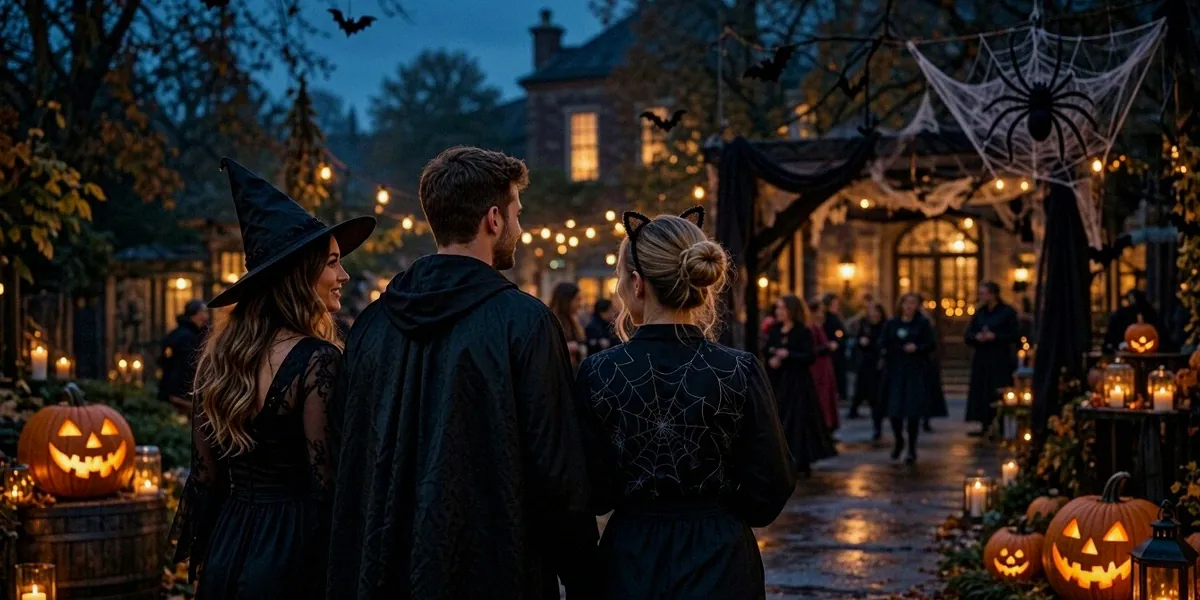
Running a Charity Fright Night: How to Haunt for a Good Cause
We’ve queued in the dark at The Haunted Hills in Victoria, jumped at every corner of a Queensland corn maze, and watched crowds stream through Sydney’s Halloween Horror Nights at Luna Park — and honestly, some of our favourite scare events have been run by local charities rather than big commercial operators. There’s something special about a night where the screams raise money for a cause that matters. Combining Halloween thrills with fundraising creates an unforgettable community night, and it’s easier to pull off than most people think.
Why a Charity Fright Night Works Down Under
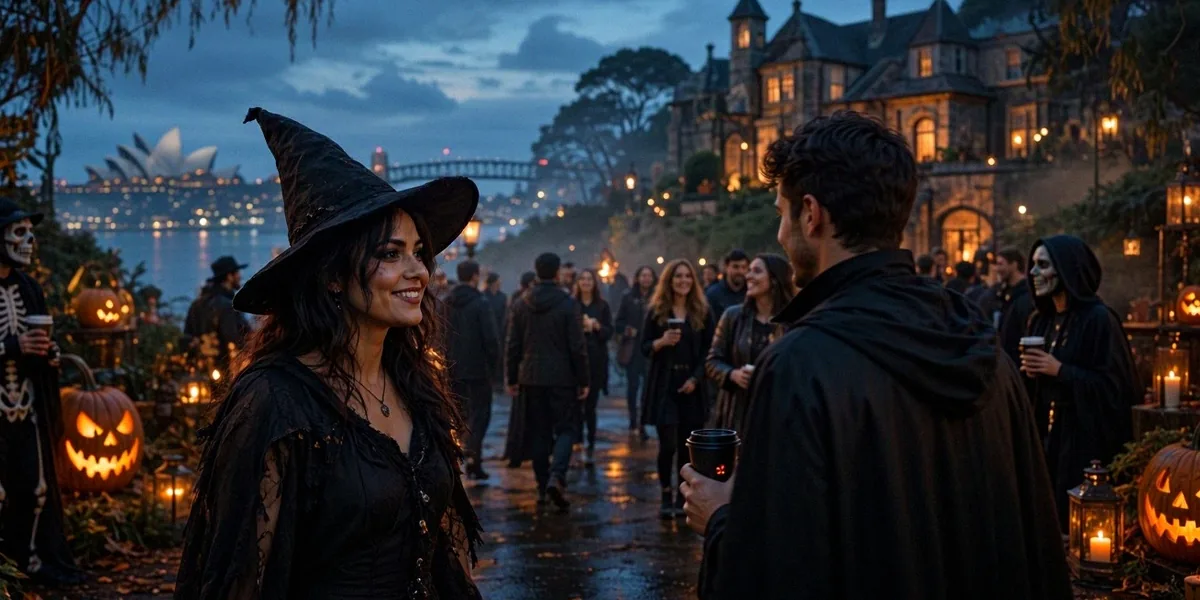
Halloween in Australia isn’t the niche American import it was twenty years ago. It’s now a genuine retail and events season, and that shift has turned haunted attractions into serious fundraisers for schools, sporting clubs, animal shelters and rural fire brigades.
The Aussie Halloween Boom and What It Means for Fundraisers
Walk into any Bunnings in October and you’ll find skeletons, fog machines and pumpkin buckets stacked near the front door — a clear sign that Aussie families are spending on Halloween. The Haunted Hills in Victoria is a popular haunted attraction that often supports local charities, proving you can build a reputation for genuine scares while giving back. Meanwhile, corn maze events in Victoria and Queensland have exploded in popularity, giving regional communities a low-cost format that works on farmland, showgrounds and school ovals alike.
For fundraisers, the maths is simple: Halloween has a built-in audience, a short season that creates urgency, and ticket buyers who are already in a spending mood. You’re not convincing people to attend an event — you’re giving them a reason to choose yours.
Choosing the Right Cause and Community Partners
Before you design a single scare zone, lock in your cause and your partners. The strongest charity haunts we’ve seen pair a clear beneficiary with local businesses that gain visibility from the event.
- Pick a cause with a local connection — a rural fire brigade, animal shelter, hospital foundation or school building fund.
- Approach service clubs like Rotary or Lions for volunteers and seed funding.
- Ask local hardware stores, op shops and cafés to donate props, prizes or food.
- Confirm in writing how proceeds are split if you’re partnering with multiple groups.
Planning Your Haunted House: Scares That Stay Safe
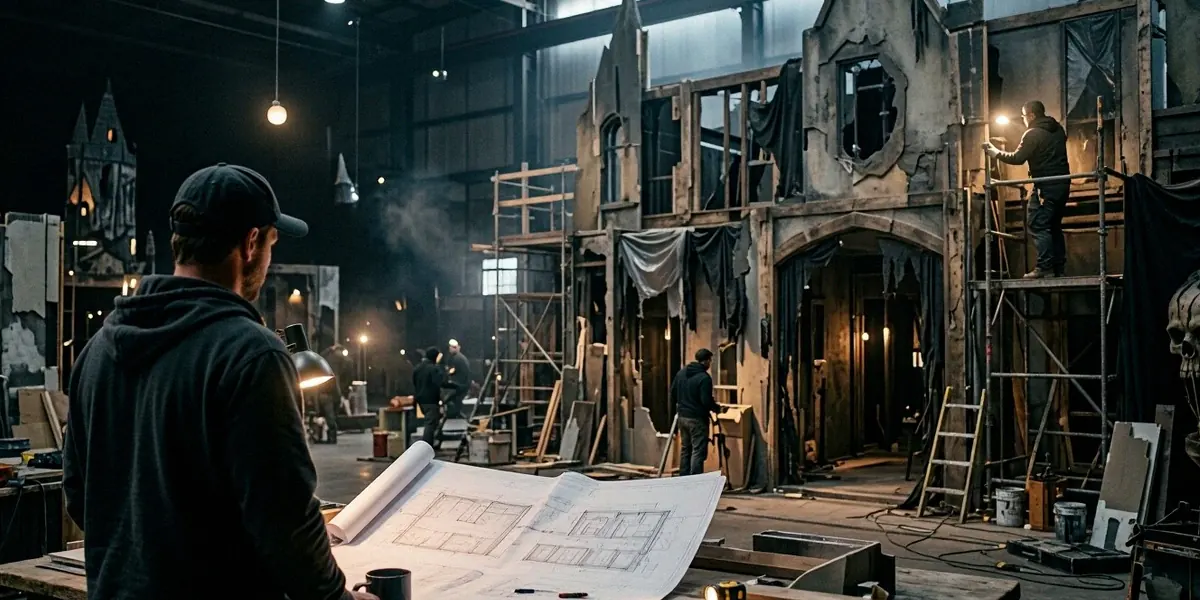
A haunted house is the centrepiece of most fright nights, and it’s also where things can go wrong fastest. Layout, scare zones and safety regulations need to be sorted before you sell a single ticket.
Designing Rooms and Scare Tactics for All Ages
We recommend designing your haunt in distinct rooms or zones, each with its own theme and scare intensity. Start with a “safe” entry corridor for younger kids, then escalate. Sydney’s Halloween Horror Nights at Luna Park shows how large-scale scare events manage crowds safely — timed entry, one-way flow and clearly marked exits are non-negotiables. For a community haunt, keep walkways at least 1.2 metres wide, use battery-powered candles instead of open flame, and brief your actors never to grab or corner patrons.
Insurance, Permits, and Volunteer Safety Briefings
Australian standards for temporary structures apply to marquees, stages and anything load-bearing, so check with your local council early. You’ll typically need public liability insurance, a fire safety plan, and permits for amplified sound or food handling. Run a mandatory volunteer briefing covering emergency exits, first aid, and the phrase your actors use to signal a real problem. Every volunteer should know where the nearest fire extinguisher and first aid kit are.
Building a Corn Maze and Other Scare Attractions
If you’ve got access to a paddock, a corn maze is one of the most cost-effective scare attractions you can build — and it photographs beautifully for social media.
Budget-Friendly Maze Construction and Lighting
You don’t need a full agricultural operation. Hay bale mazes, pallet mazes and tarp-and-pole mazes all work on tight budgets. Source props from local op shops — old dolls, mannequins, wedding dresses and lanterns are gold. For lighting, use solar path lights, LED strip lighting and a few well-placed strobes rather than generators where possible.
Adding Side Attractions: Games, Food Stalls, and Photo Ops
Side attractions keep people on site longer and spend more. A zombie laser tag arena, similar to those at Melbourne’s Fright Night events, is a proven crowd-puller. Add a photo wall with props, a sausage sizzle, a bake stall, and a “guess the weight of the pumpkin” competition. Each of these is another donation opportunity.
Marketing Your Fright Night to Aussie Locals
You can build the best haunt in the country, but if nobody knows about it, the cause suffers. Local, targeted marketing beats broad advertising every time.
Social Media and Ticketing Platforms That Work in Australia
Eventbrite and Square are widely used in Australia for ticketing and donation collection at community events, and both handle online payments, refunds and reporting without fuss. Create a Facebook Event early, post behind-the-scenes build photos, and run a TikTok countdown in the final two weeks — teens excited for Halloween live on TikTok, and short clips of actors in costume travel fast.
Working with Local Media and Influencers
Bunnings stores across Australia are common spots for community poster boards and Halloween supplies, so print A3 posters and ask to display them. Send a media release to your local radio station and community newspaper two weeks out, and invite a local micro-influencer or radio host to preview night. Offer them a walkthrough with a camera — the footage does your marketing for you.
Night-of Operations: Volunteers, Ticketing, and Fundraising Totals
The night itself is a logistics exercise. The RSPCA’s Hallow’s Eve event in NSW is a great example of a successful charity Halloween fundraiser — well-drilled volunteers, clear ticketing and a smooth donation funnel.
Managing Crowds and Queue Lines Without Losing the Scare
Long queues kill atmosphere. Use timed entry slots, keep queue lines themed with roaming actors, and have a volunteer dedicated purely to queue management. Set a maximum group size per walkthrough — usually six to eight people — and stagger entries every 90 seconds.
Maximizing Donations Beyond Ticket Sales
Ticket revenue is only the start. Add these on the night:
- Tap-and-go donation stations at the exit using Square readers.
- A raffle with prizes donated by local businesses.
- Upsell a “fast pass” for queue priority.
- Merchandise — glow sticks, temporary tattoos and printed tote bags.
- A matched-giving appeal announced on the night by a local sponsor.
After the Screams: Measuring Success and Next Steps
Once the fog clears, the real work of building a repeatable event begins.
Post-Event Debrief and Volunteer Appreciation
Hold a debrief within a week while memories are fresh. Survey attendees via email, tally funds raised, and note what broke, what scared people most, and what fell flat. Then thank your volunteers properly — a BBQ, certificates and public shout-outs on social media go a long way.
Turning One Night into a Yearly Halloween Fundraiser
The Gold Coast’s Spooktacular has become an annual fixture by refining the same formula year after year. Start planning next year’s event while this year’s numbers are in front of you, and book your key vendors and venues early.
FAQ
Do I need a permit to run a haunted house in Australia?
It depends on your state and council, but most temporary attractions require a permit for structures, amplified sound and food handling. Contact your local council at least eight weeks before your event.
How much can a charity fright night realistically raise?
Small school or club haunts often raise a few thousand dollars, while larger corn maze and haunted house events with sponsors can clear five figures. Ticket price, attendance and side-attraction sales drive the total.
What’s the best ticketing platform for an Australian charity event?
Eventbrite and Square are widely used in Australia for ticketing and donation collection at community events. Both support online sales, tap-and-go donations and clean reporting for your committee.
Is a corn maze or a haunted house easier to run?
A corn maze is generally cheaper to build and easier to staff, but a haunted house generates more atmosphere and higher ticket prices. Many successful events run both.
How do we keep younger kids from being too scared?
Run a “lights on” family hour earlier in the evening with toned-down scares, then switch to full intensity after dark. Clear signage and age guidance at the gate help too.
A charity fright night can be both terrifyingly fun and a powerful community fundraiser. Whether you build a haunted house, a corn maze or a full scare precinct, the formula is the same: pick a cause, plan for safety, market locally and look after your volunteers. Start planning your own Halloween event now — next October will be here before you know it.

Post Comment